
Condition
Plantar Fasciitis
Plantar fasciitis is one of the most common causes of heel pain, often making the first steps in the morning particularly uncomfortable. It can affect your ability to walk, stand for long periods, or stay active.
At Bognor Regis Chiropractic, we focus on identifying the underlying cause of your heel pain and providing practical, evidence-informed treatment to help you recover safely. Our aim is to reduce pain, restore normal movement, and prevent the problem from returning.
If you are unsure whether your symptoms are plantar fasciitis or another issue such as foot-related joint pain or muscle tightness and spasm, we will guide you through a clear assessment.
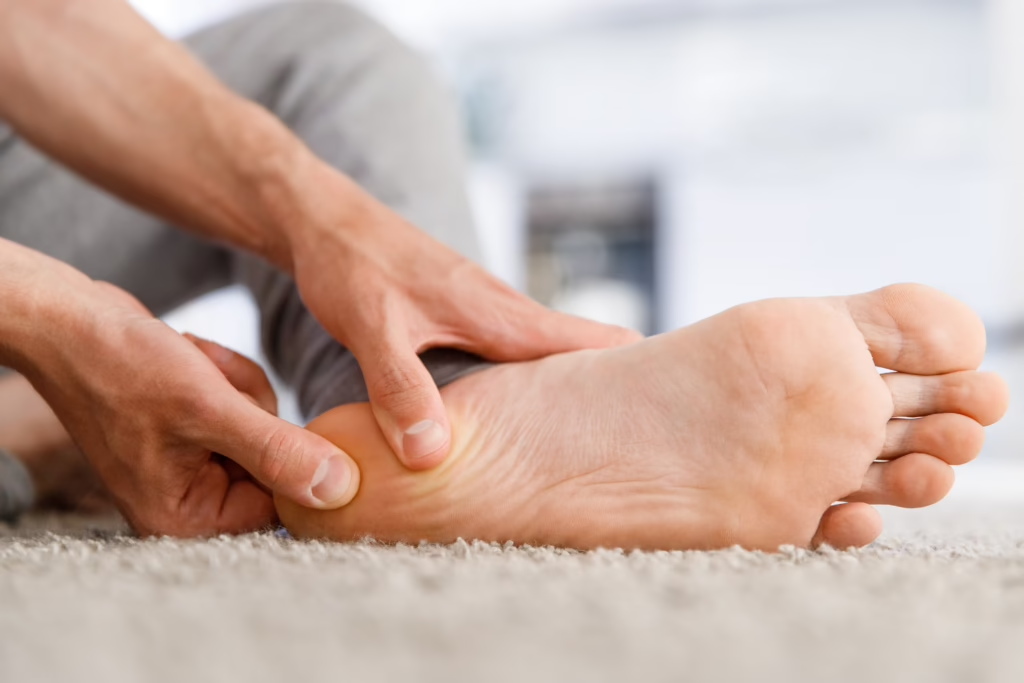
What Is Plantar Fasciitis?
Plantar fasciitis occurs when the plantar fascia, a thick band of tissue along the bottom of your foot, becomes irritated or overloaded.
Typical symptoms include:
- Sharp heel pain, especially with first steps in the morning
- Pain after long periods of standing or walking
- Tightness in the sole of the foot
- Discomfort that improves with movement but returns later
It is often linked to factors such as overuse, poor footwear, reduced flexibility, or changes in activity levels.
Common Causes of Heel Pain
Plantar fasciitis rarely happens without a reason. We look at contributing factors such as:
- Biomechanical issues in the foot or ankle
- Tight calf muscles or reduced flexibility
- Prolonged standing or walking
- Sudden increases in activity
- Poor footwear support
In some cases, symptoms may overlap with conditions affecting the ankle or lower limb mechanics, or even relate to issues higher up the chain such as low back pain.
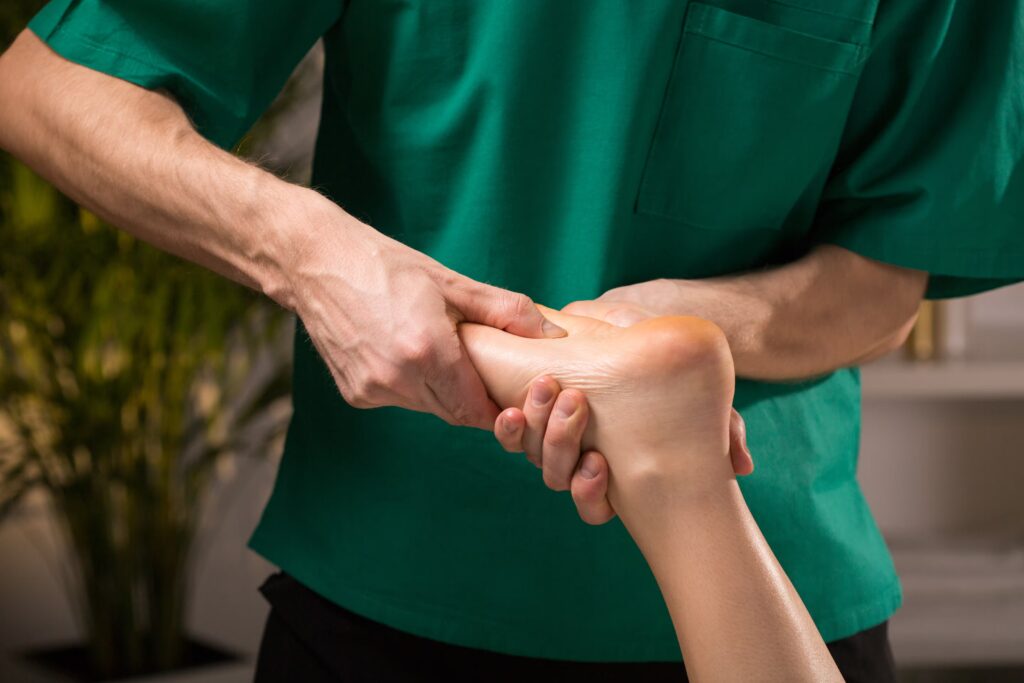
How We Treat Plantar Fasciitis
Your treatment is tailored to your symptoms, lifestyle, and goals.
Hands-On Therapy
Soft tissue techniques help reduce tension in the plantar fascia and surrounding muscles.
Chiropractic Care
Where appropriate, we address joint movement in the foot, ankle, or lower limb to reduce strain.
Learn more about chiropractic treatment.
Learn more about chiropractic treatment.
Exercise Rehabilitation
Specific exercises improve flexibility, strength, and load tolerance.
See how exercise rehabilitation supports recovery.
See how exercise rehabilitation supports recovery.
Footwear and Load Management Advice
We guide you on footwear choices, activity levels, and pacing to support healing.
Shockwave Therapy (If Appropriate)
For persistent cases, we may recommend shockwave therapy to stimulate tissue healing.
What to Expect at Your First Appointment
We keep your care clear and structured.
1. Consultation
We discuss your symptoms, activity levels, and any triggers.
2. Physical Assessment
We assess your foot, ankle, and overall movement patterns.
3. Diagnosis and Explanation
You will receive a clear understanding of what is causing your heel pain.
4. Personalised Plan
We outline realistic treatment options and expected progress.
5. Ongoing support
You receive guidance on exercises, footwear, and activity.
Why Choose Bognor Regis Chiropractic?
- Local clinic serving Bognor Regis and surrounding areas
- Focus on safe, non-invasive care
- Clear, honest explanations
- Tailored treatment plans
- Ongoing support to prevent recurrence
Learn more about our approach on our About Us page.
Recovering from Plantar Fasciitis
Most cases improve with the right approach, but recovery can take time.
With consistent care, you can:
- Reduce heel pain
- Improve walking comfort
- Restore normal foot function
- Prevent recurring flare-ups
We help you understand how to manage the condition effectively, both now and long term.
Frequently Asked Questions
What causes plantar fasciitis?
It is usually caused by repeated strain on the plantar fascia due to overuse, poor footwear, or biomechanical factors.
How long does it take to recover?
Recovery varies, but many people improve over weeks to months with the right treatment.
Is rest enough to fix it?
Rest can help reduce irritation, but active rehabilitation is usually needed for full recovery.
Can chiropractic care help plantar fasciitis?
Yes. It can improve joint movement and reduce contributing mechanical stress.
What shoes should I wear?
Supportive footwear with good cushioning is usually recommended. We provide personalised advice.
Will it come back?
It can if underlying factors are not addressed. Prevention is part of treatment.
Is shockwave therapy effective?
It can be helpful for persistent cases and may support tissue healing.
Should I keep walking or exercising?
Usually yes, but activity may need to be modified. We guide you on this.
Can plantar fasciitis affect both feet?
Yes, although it often starts in one foot.
When should I seek treatment?
If heel pain is persistent or affecting daily activity, it is best to get assessed early.
Book an Appointment
If you are dealing with heel pain and want clear, practical help, we are here to support you.
Book an appointment today and take the first step towards walking comfortably again.