
Diagnostic Ultrasound in Bognor Regis
Service
Diagnostic Ultrasound
Get clearer answers about soft tissue and joint problems with musculoskeletal Diagnostic Ultrasound in Bognor Regis.
At Bognor Regis Chiropractic, we use musculoskeletal Diagnostic Ultrasound to assess muscles, tendons, ligaments, and other soft tissues in real time. This can help us understand what may be contributing to pain, swelling, restricted movement, or delayed recovery, and it can support more informed decisions about the next step in your care.
Whether you are dealing with shoulder pain, a rotator cuff injury, plantar fasciitis, or ongoing joint pain, Diagnostic Ultrasound can provide useful clinical information without the need for radiation.
Why Choose Diagnostic Ultrasound?
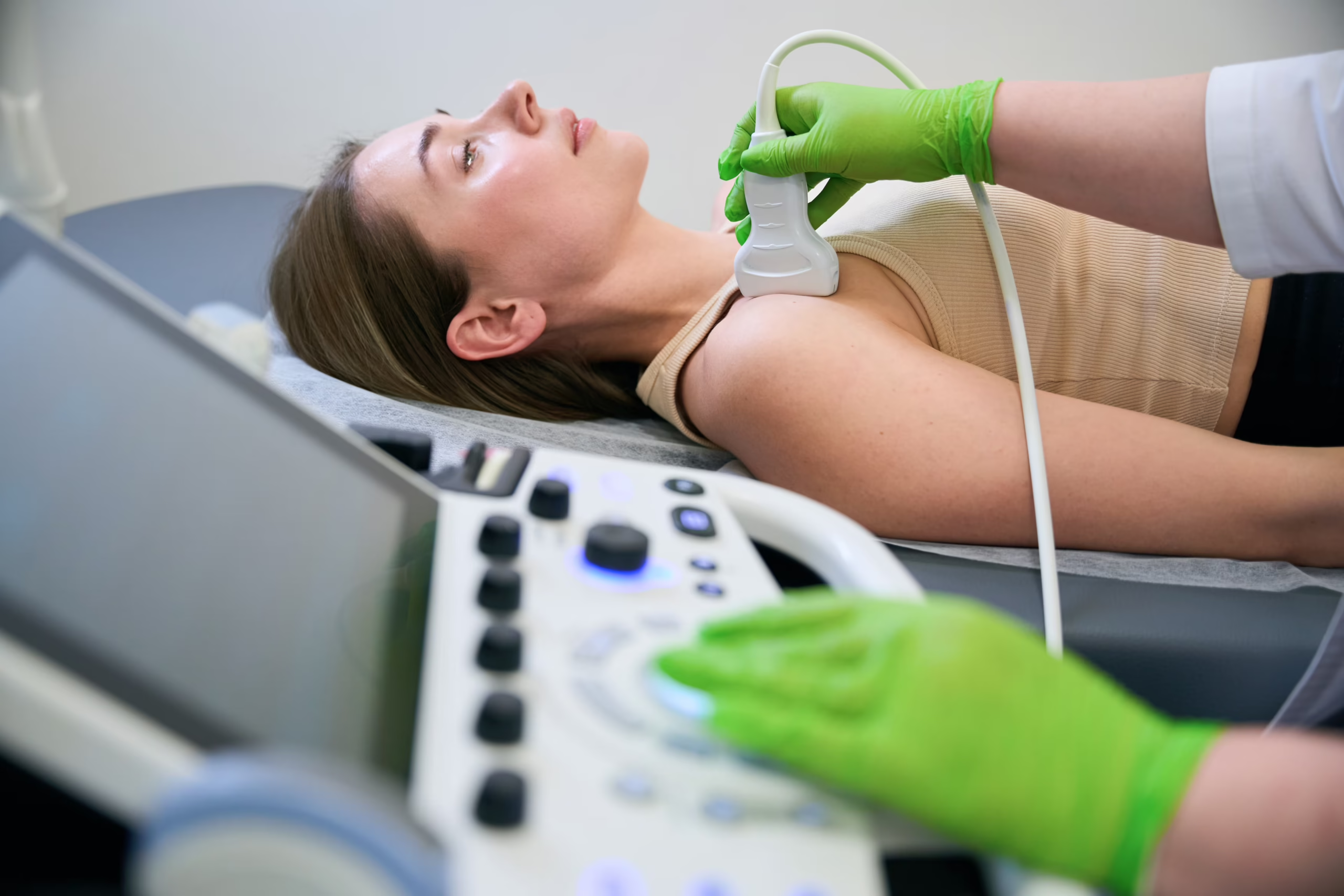
Diagnostic Ultrasound is a safe, non-invasive way to look at soft tissue structures as they move. Unlike static imaging alone, it can help assess how an area behaves during movement, which is often valuable when symptoms are activity-related.
It may be helpful for:
- Suspected tendon, ligament, or muscle injuries
- Swelling or inflammation around a joint
- Ongoing pain that has not settled as expected
- Monitoring healing and recovery over time
- Helping guide the next stage of treatment or rehabilitation
Where appropriate, scan findings may help shape a treatment plan that includes chiropractic care, exercise rehabilitation, or shockwave therapy.
What Diagnostic Ultrasound Involves
Musculoskeletal ultrasound uses sound waves to create live images of soft tissues beneath the skin. It is commonly used to assess structures such as tendons, muscles, ligaments, fascia, and joint-related tissues.
During the scan, we look at the area of concern in context, not just in isolation. That can help us build a clearer picture of what may be happening and whether the findings match your symptoms and movement pattern.
Diagnostic Ultrasound may help with:
- Identifying signs of soft tissue irritation or injury
- Assessing areas of thickening, swelling, or inflammation
- Monitoring recovery following strain or overload
- Adding clarity where symptoms are persistent or unclear
- Supporting more precise treatment planning
What to Expect During Your Appointment
Your appointment starts with a clinical discussion about your symptoms, medical history, and what you are hoping to get from the scan.
Before the scan
We will talk through:
- Where your symptoms are
- How long they have been present
- What aggravates or eases them
- Any previous treatment or imaging
- Whether ultrasound is suitable for your situation
During the scan
A small amount of gel is applied to the skin so the probe can move comfortably and capture clear images. The scan itself is usually straightforward and well tolerated. In many cases, you will be able to see the images on screen as the assessment takes place.
After the scan
We explain the findings clearly and honestly. Where appropriate, we will discuss:
- What the scan may suggest
- What it cannot confirm on its own
- Whether conservative care is appropriate
- Whether another route, further investigation, or referral should be considered
If suitable, the results can help guide your care within the clinic or support communication with other healthcare professionals.
Our Clinical Approach
Diagnostic Ultrasound is only one part of a proper assessment. We always interpret findings alongside your symptoms, history, and physical presentation.
That matters because imaging should support clinical reasoning, not replace it.
Our focus is to give you:
- A clearer understanding of what may be going on
- Sensible next-step recommendations
- A treatment plan that reflects both findings and symptoms
- Reassurance where appropriate, without overpromising
You can learn more about the people involved in your care on our Meet The Team page and read more about the clinic on our About Us page.
Why Choose Bognor Regis Chiropractic
Choosing where to have an ultrasound assessment matters when you want clear answers and confidence in your next steps.
Patients choose our clinic because we focus on:
- Accurate, clinically focused ultrasound assessments
- Clear, straightforward explanations of your results
- Evidence informed decision making
- Linking findings directly to your symptoms and care plan
Our aim is to give you clarity, not just images, so you understand what is happening and what to do next.
You can learn more about our practitioners on the Meet the Team page.


Book an Diagnostic Ultrasound Appointment
If you would like a clearer picture of a soft tissue or joint problem, book an Diagnostic Ultrasound appointment with Bognor Regis Chiropractic.
For appointment details and fees, see our Pricing page.
To arrange a visit, go to our Contact Us page or book your appointment online.
Frequently Asked Questions
What is musculoskeletal Diagnostic Ultrasound?
Musculoskeletal Diagnostic Ultrasound is a scan that uses sound waves to create live images of soft tissues such as muscles, tendons, ligaments, and fascia.
What can Diagnostic Ultrasound show?
It may help identify signs of tendon irritation, muscle injury, ligament problems, swelling, inflammation, and other soft tissue changes. Findings still need to be interpreted alongside symptoms and examination.
Is Diagnostic Ultrasound safe?
Yes. Ultrasound does not use ionising radiation and is widely used as a non-invasive imaging method.
Is the scan painful?
The scan is usually comfortable. You may feel light pressure from the probe, especially if the area is already sore, but it is generally well tolerated.
How long does an ultrasound appointment take?
This depends on the area being assessed and the complexity of the presentation, but appointments are typically designed to allow time for both the scan and an explanation of the findings.
Do I need a referral?
In many cases, no referral is needed. You can contact the clinic directly to ask whether this service is appropriate for your situation.
Can Diagnostic Ultrasound tell me exactly what is wrong?
It can provide valuable information, but no scan should be interpreted in isolation. Clinical assessment is still important, and sometimes further investigation or referral may be needed.
What areas can be scanned?
This depends on the clinic’s scope of practice and the nature of the issue, but common areas include shoulders, elbows, hips, knees, ankles, and feet.
Will the scan results affect my treatment plan?
Yes, where appropriate. Scan findings may help guide treatment decisions, rehabilitation planning, or whether another pathway is more suitable.
When should I consider Diagnostic Ultrasound?
It may be worth considering if symptoms have not improved, if a soft tissue injury is suspected, or if you want more clarity before moving forward with treatment or rehabilitation.