Service
Ultrasound Imaging
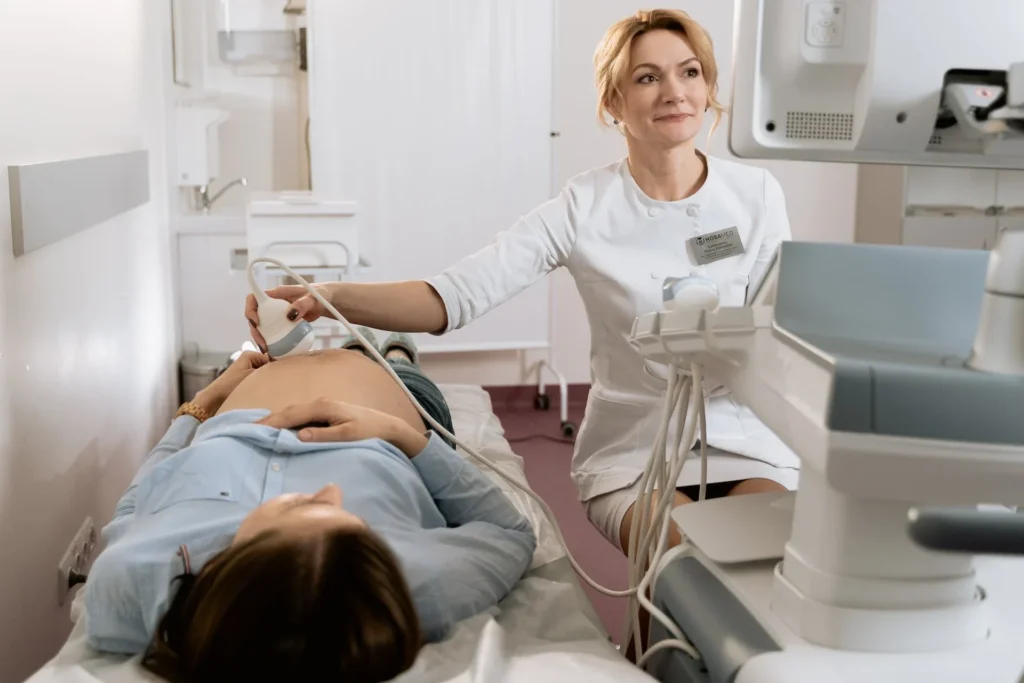
Musculoskeletal (MSK) ultrasound is a safe, non-invasive imaging technique that uses sound waves to produce real-time images of muscles, tendons, ligaments, and joints. It helps diagnose injuries, inflammation, and other soft tissue conditions by providing detailed, dynamic views. This painless procedure aids in accurate diagnosis and guides treatment decisions.
What Is Ultrasound Imaging?
Are you an avid sports person and recently started to experience pain in one or more of joints this is technique would be perfect for you to understand with greater clarity what may be happening to the soft tissues of the region.
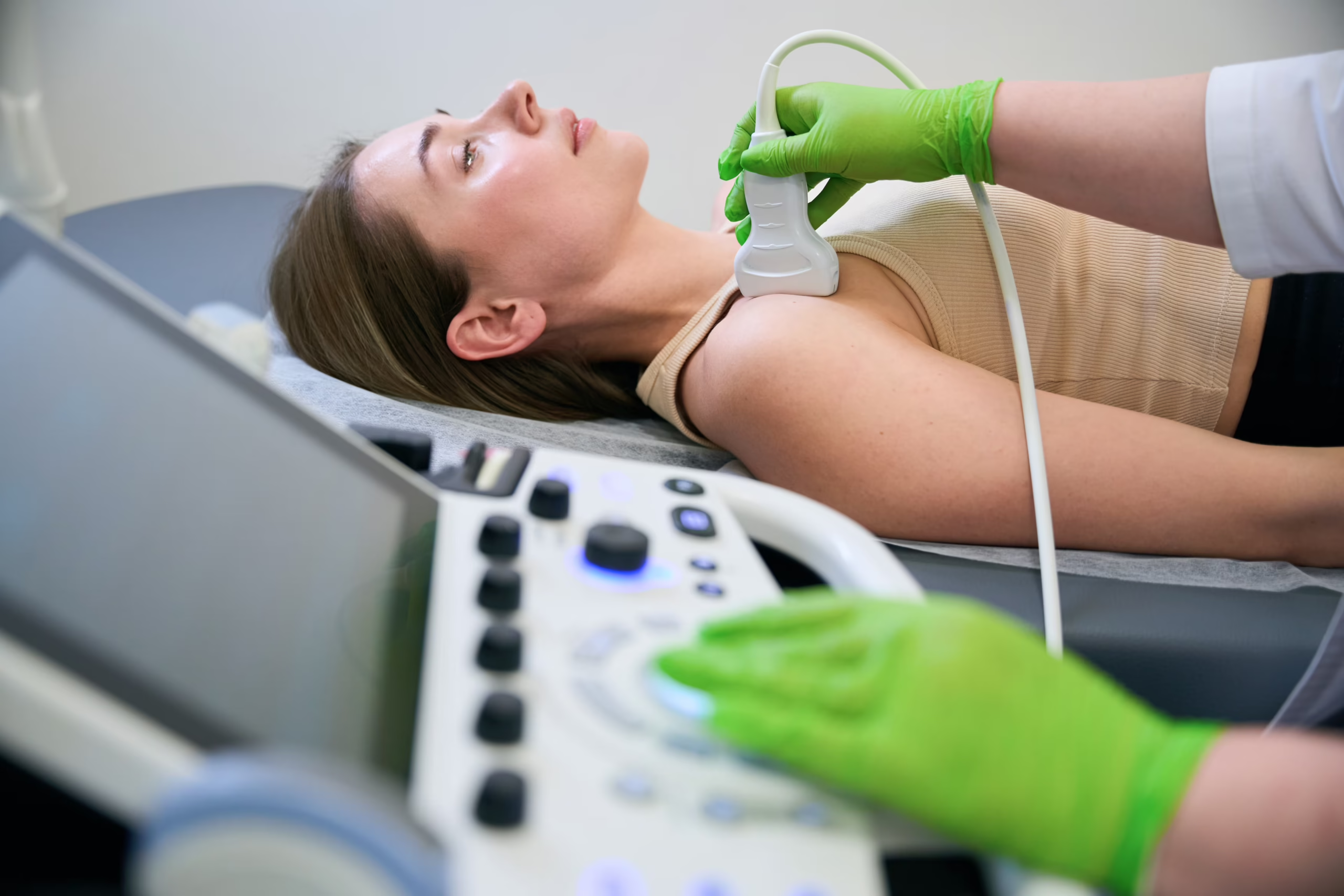
We use ultrasound imaging to diagnose common painful conditions of the extremity joints. These include shoulder and arm pain, hip and leg pain. This allows your healthcare provider greater certainty of the condition you have presented with. It will enable the healthcare provider to plan targeted treatment, getting you on the road to recovery more quickly.
Who Typically Benefits From Ultrasound Imaging?
MSK ultrasound benefits people with muscle, tendon, ligament, or joint pain and injuries. It’s useful for diagnosing conditions like tendonitis, tears, and inflammation, especially in athletes or those with repetitive strain. It also helps guide treatments and monitor healing.
What Does Ultrasound Imaging Involve?
The procedure involves applying a gel to the skin over the affected area and using a handheld ultrasound probe to send sound waves into the tissues. The probe captures real-time images of muscles, tendons, and joints on a screen. It’s painless, non-invasive, and usually takes 15-30 minutes. The sonographer may ask you to move the joint or muscle to get detailed views during the scan.
Benefits and Outcomes of Ultrasound Imaging
MSK ultrasound provides clear, real-time images to accurately diagnose soft tissue injuries and conditions. It’s painless, non-invasive, and offers immediate results to guide effective treatment and monitor healing, helping speed recovery and reduce the need for invasive tests.